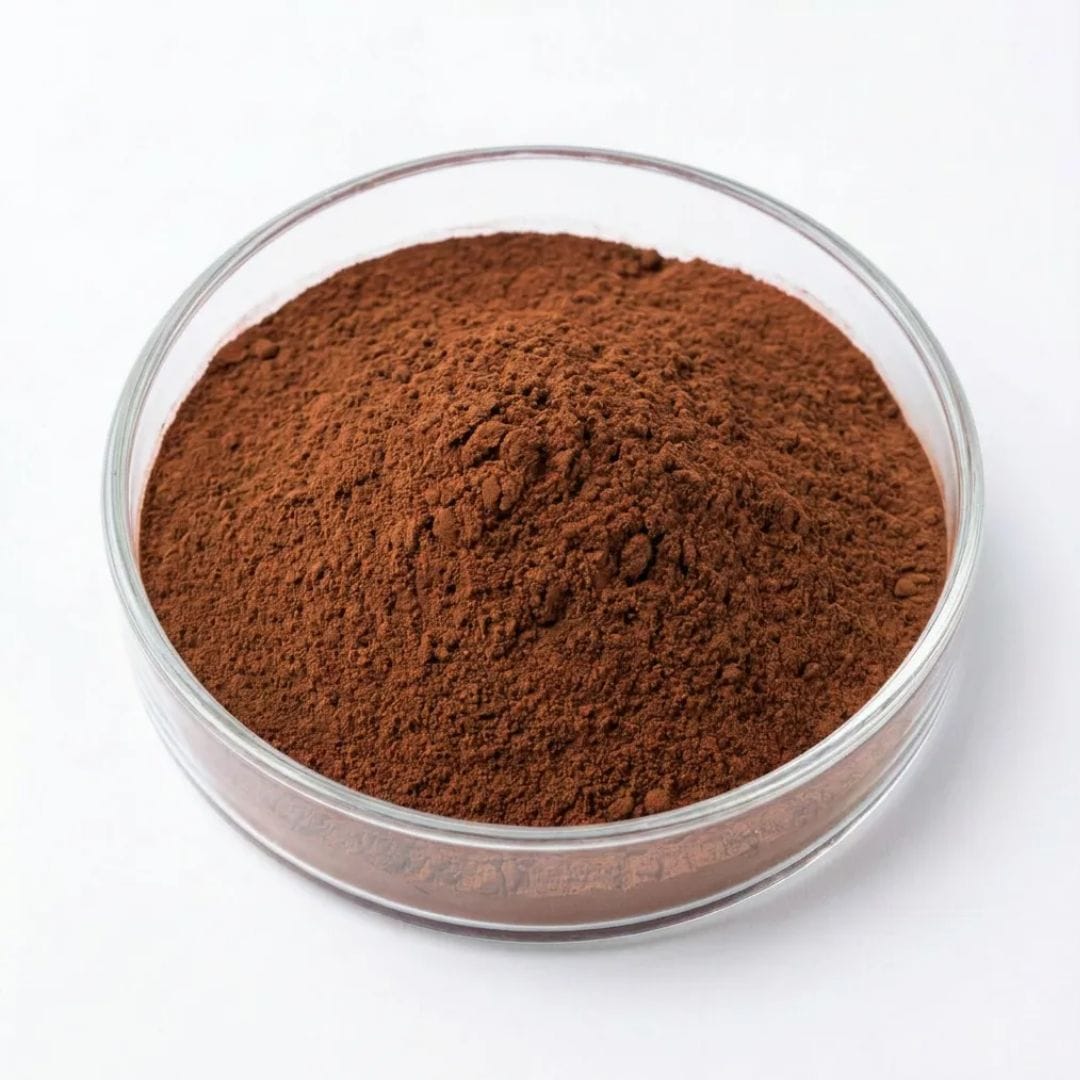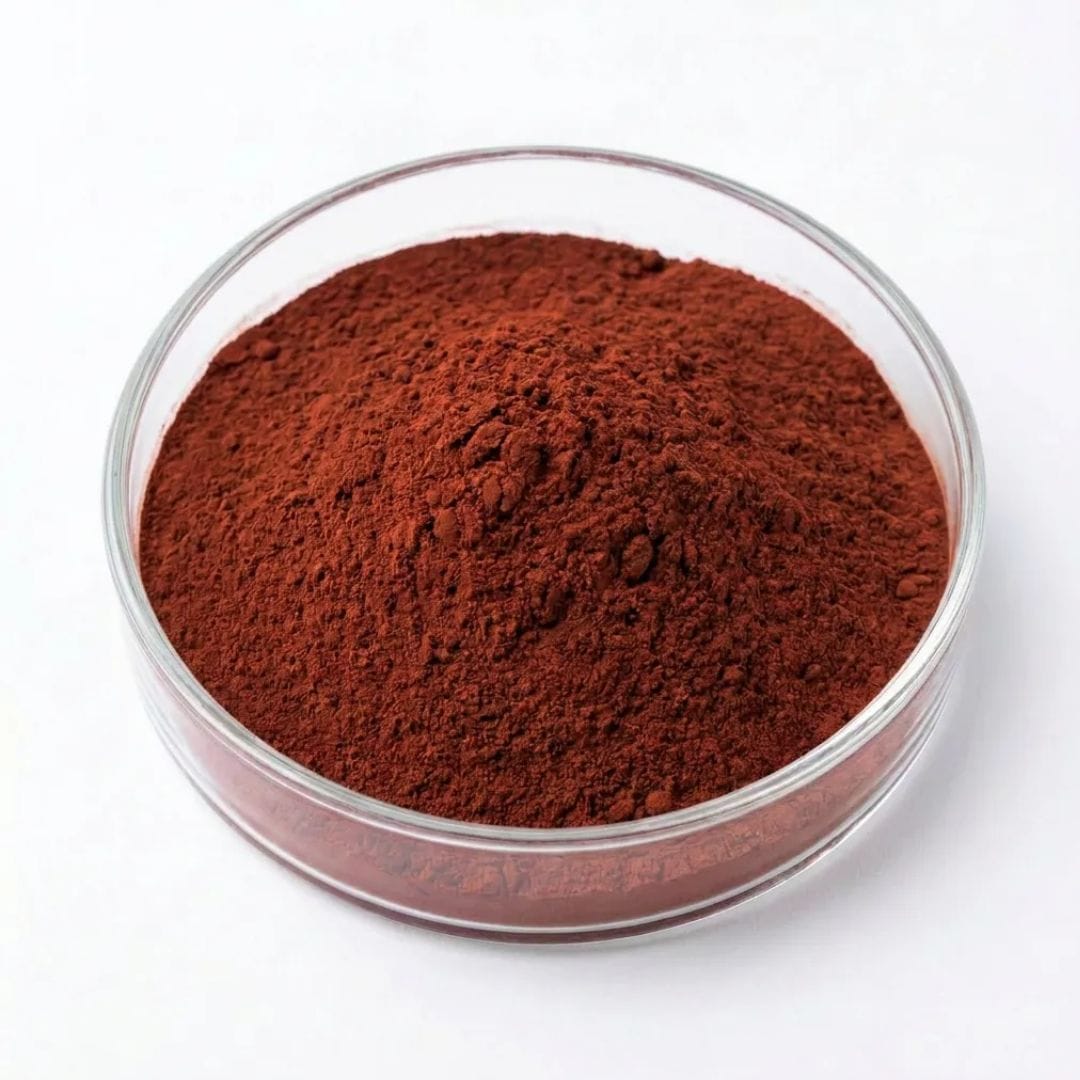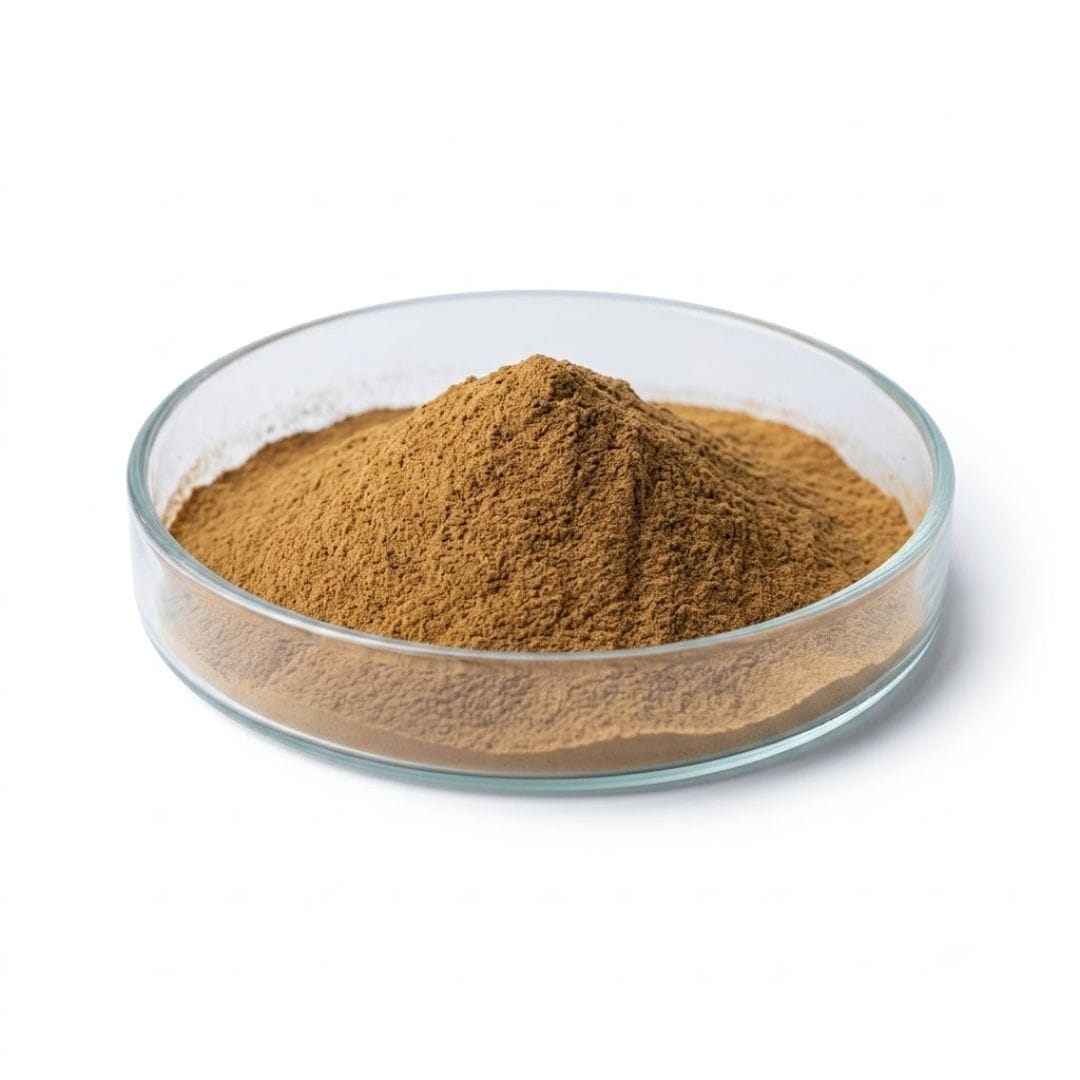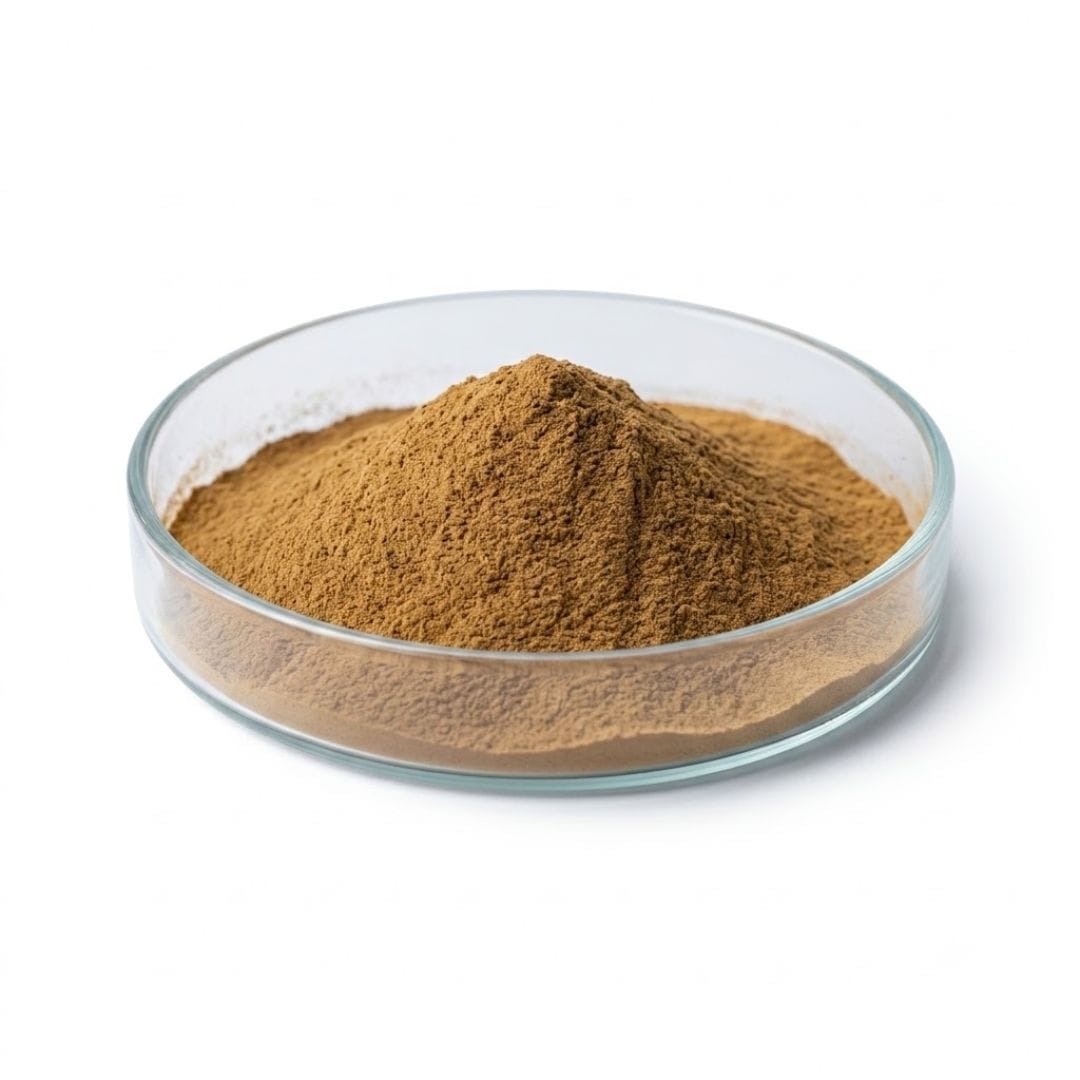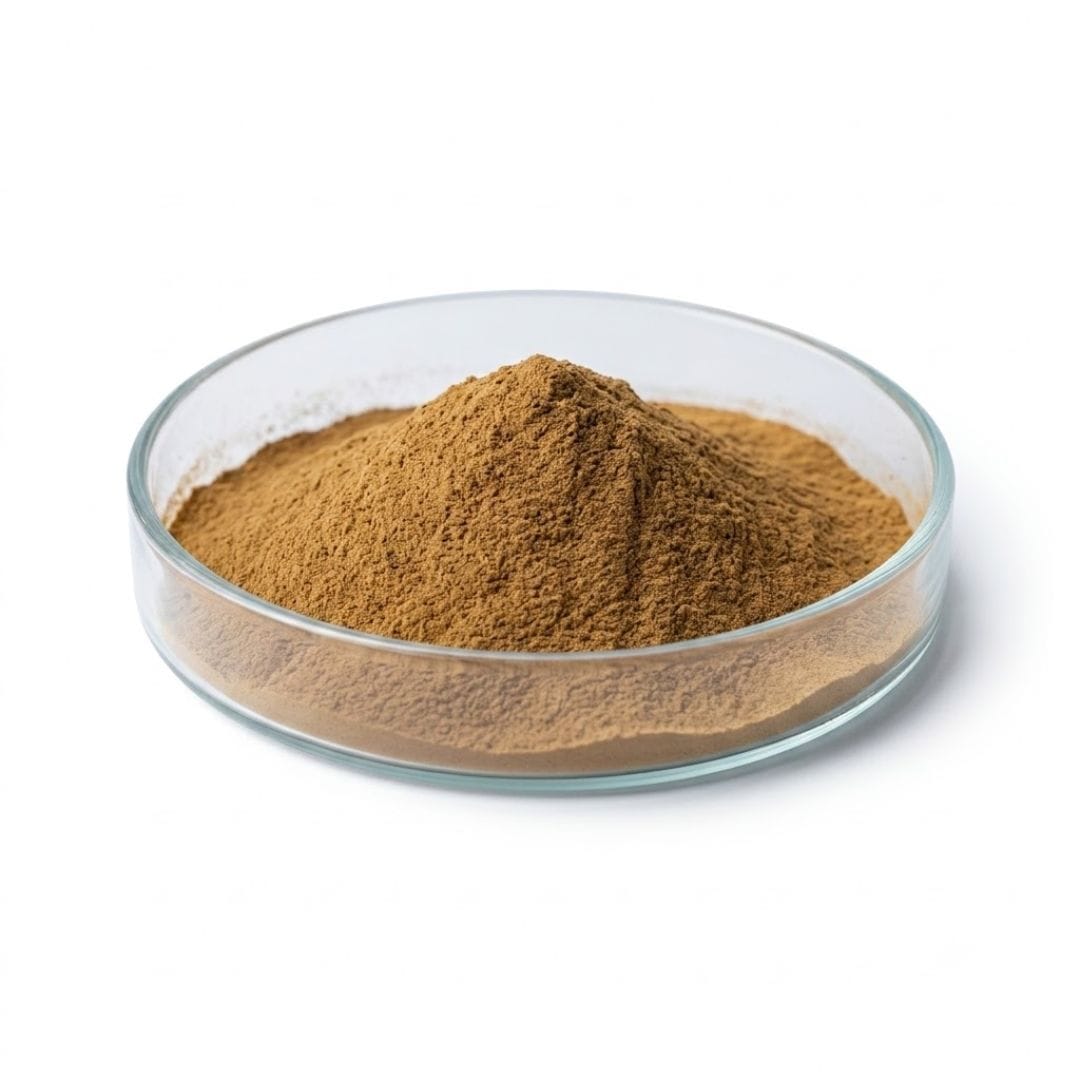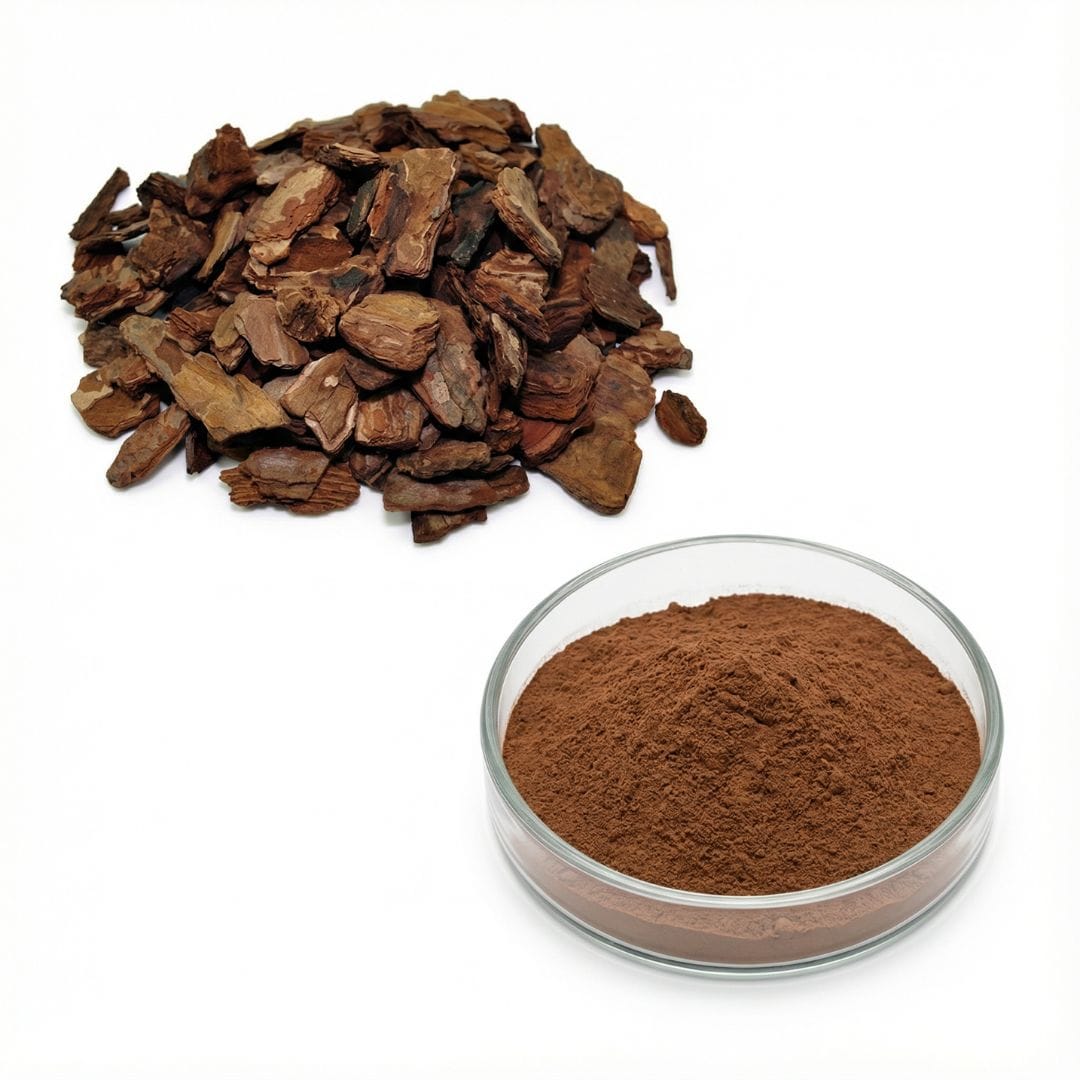
Pine bark extract is derived from the bark of the maritime pine tree, scientifically known as Pinus maritima. Classified under the Pineaceae family, this extract has emerged as a modern dietary supplement prized for its antioxidant properties, which are associated with diverse therapeutic and preventive health benefits. The extract gained recognition through a French patent under the name Pycnogenol (pronounced "pick-nah-jen-all").
Product Name: Pine bark extract
Latin Name: Pinus massoniana Lamb
CAS NO: 84929-27-1
Part Used: Bark
Active Ingredient: Proanthocyanidins
Available Specification: 95%
Function:
- Promotes cardiovascular wellness through potent antioxidant activity, neutralizing free radicals and safeguarding cells from oxidative stress.
- Supports eye health by protecting against retinopathy, enhancing visual clarity, and accelerating recovery from visual strain caused by prolonged screen exposure.
- Aids in cognitive maintenance, potentially offering protective effects against Alzheimer’s disease.
- Offers dermatological advantages; its free-radical-scavenging properties may shield the skin from UV-induced damage, reduce wrinkles, and preserve elasticity.
- Exhibits anti-neoplastic, anti-inflammatory, and anti-allergenic properties.
Application:
- In pharmaceutical contexts, it supports cardiovascular treatment due to its bioflavonoid content, which enhances vascular health.
- Utilized in health supplements, often encapsulated. It ranks among the top ten popular plant-derived extracts globally, celebrated as a "natural wellness supplement" in the U.S. and incorporated into topical care formulations.
- Integrated into food systems as a nutritional fortifier.
- Employed in skincare products for its astringent, anti-aging, and skin-brightening effects, incorporated into serums and creams.
Keywords: Pine bark extract, grape seed extract, proanthocyanidins content